Fitness Gym Singapore for Active Ageing and Lifelong Wellness
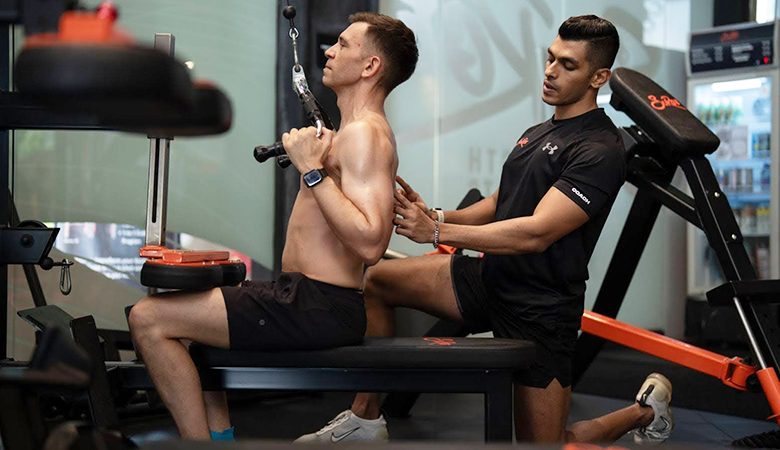
Singapore has one of the fastest-ageing populations in the world, and staying healthy into later years has become more important than ever. While walking, stretching, and light activities remain valuable, seniors today are discovering that a fitness gym singapore provides safe, structured, and supportive opportunities to stay active. Far from being intimidating spaces, gyms are now creating tailored programmes that empower older adults to remain independent, mobile, and full of vitality well into their golden years.
The Importance of Active Ageing in Singapore
The government has consistently highlighted active ageing as a national priority. Longer lifespans mean that maintaining strength, balance, and mobility is critical for quality of life. Without regular exercise, seniors may experience muscle loss, brittle bones, reduced coordination, and a higher risk of falls.
Gyms in Singapore are playing a central role by offering structured workouts designed for older adults. Beyond physical health, these programmes also address mental wellness and social engagement, both of which contribute to overall happiness.
Overcoming Barriers for Seniors in Gyms
Many seniors hesitate to join gyms because they fear injury, lack of familiarity with equipment, or the assumption that gyms are only for young people. These barriers are being actively addressed through:
-
Guided introductions where trainers explain each machine and its benefits.
-
Modified exercises that avoid strain while still strengthening muscles.
-
Dedicated classes designed for balance, mobility, and posture.
-
Supportive communities where seniors feel included and motivated.
By building confidence, gyms transform hesitation into excitement about staying active.
Specialised Training for Older Adults
Fitness gyms in Singapore now provide a variety of training options designed with seniors in mind. These are low-impact, safe, and highly effective.
Popular options include:
-
Resistance training using light weights or resistance bands to maintain bone density.
-
Balance-focused workouts to reduce the risk of falls.
-
Mobility sessions that improve joint flexibility.
-
Cardio exercises such as walking machines or recumbent bikes to strengthen the heart.
-
Functional training for everyday activities like standing from a chair or climbing stairs.
The goal is not extreme fitness but long-term independence and confidence.
Benefits Beyond the Physical
The advantages of gym training for seniors extend far beyond building strength.
-
Mental sharpness: Exercise improves blood flow to the brain, supporting memory and focus.
-
Emotional well-being: Group activities reduce loneliness and create friendships.
-
Improved sleep quality: Regular physical activity helps regulate sleep cycles.
-
Boosted immunity: Active lifestyles strengthen natural defences against illness.
These benefits combine to give older adults not only longer lives but more meaningful years.
Gyms as Social Spaces for Seniors
A key reason many seniors enjoy joining gyms is the sense of community. For those who may have retired or live alone, a gym becomes a place to meet peers, share stories, and encourage one another. Group classes are particularly popular because they combine exercise with laughter, social bonding, and collective motivation.
Safety Measures for Senior Members
Safety is a top priority when gyms welcome older adults. Trainers are trained to recognise signs of fatigue, monitor heart rate ranges, and ensure exercises are performed correctly. Many gyms also maintain equipment with senior needs in mind, including:
-
Easy-to-use machines with clear displays.
-
Adjustable weights that accommodate gradual progress.
-
Stable cardio equipment like recumbent bikes with back support.
This focus ensures seniors can exercise confidently without fear of injury.
Personal Training for Active Ageing
Personal trainers are increasingly sought by older members because they provide reassurance and accountability. Trainers design customised programmes based on medical conditions, mobility challenges, or recovery needs. For example:
-
Seniors with arthritis may receive tailored mobility exercises.
-
Those with diabetes benefit from cardio-focused sessions to regulate blood sugar.
-
Individuals recovering from surgery can rebuild strength safely under supervision.
Such personalisation gives seniors confidence that they are working within safe limits while still achieving results.
Technology Support for Senior Training
While technology in gyms is often associated with younger members, seniors are also benefiting from it. Many gyms integrate wearables or apps that help track heart rates, walking steps, and calorie expenditure. These tools, when explained clearly, provide seniors with a sense of achievement and motivation to continue.
True Fitness Singapore and Senior Wellness
True Fitness Singapore is an example of how gyms are adapting to active ageing needs. By combining professional trainers, safe equipment, and inclusive programmes, it offers seniors a supportive environment to pursue lifelong fitness. For many, this removes the stigma of gyms being only for the young and instead reframes them as welcoming hubs for all ages.
The Future of Fitness for Seniors
As the ageing population grows, more gyms will expand their focus on senior-friendly training. Programmes for active ageing will become mainstream, with an emphasis on mobility, independence, and holistic wellness. Seniors will not only use gyms to stay strong but also to engage socially, learn new routines, and integrate wellness into daily life.
FAQs
Q. I am in my late 60s. Is it too late to start gym training?
A. It is never too late. With proper guidance, seniors of any age can benefit from resistance, balance, and mobility training. Many members in their 70s and beyond thrive with regular exercise.
Q. Do I need a doctor’s clearance before joining a gym?
A. Yes, if you have existing medical conditions, it is advisable to consult your doctor. This ensures your trainer can design exercises suitable for your health status.
Q. I feel nervous using gym machines. How can I get comfortable?
A. Trainers provide full introductions to each machine, demonstrate proper form, and often stay nearby until members feel confident. Many gyms also offer beginner-friendly classes for seniors.
Q. How often should older adults train in the gym?
A. Two to three times a week is usually effective for maintaining strength and mobility, while allowing enough time for recovery. The routine should balance cardio, resistance, and flexibility.
Q. Can gym training reduce my risk of falls at home?
A. Yes, balance and functional training directly strengthen the muscles and coordination needed for everyday movements, significantly lowering the risk of falls.