The Transformative Power of Yoga in Modern Wellness
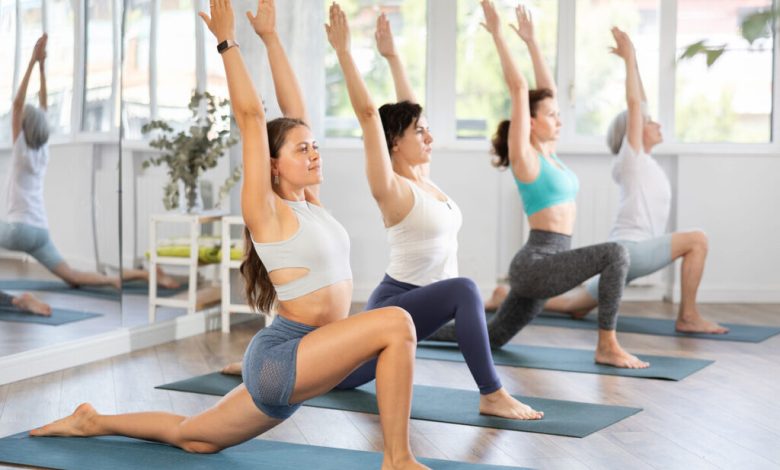
Yoga has grown from an ancient practice into a cornerstone of modern health, shaping physical strength, mental clarity, and emotional balance. Many people turn to Yoga not simply for exercise but for a comprehensive approach to well being. Its blend of mindful movement, breath control, and reflective awareness creates a strong foundation for long term wellness, especially for individuals seeking practical and restorative habits in everyday life.
Understanding Yoga as a Holistic Discipline
Yoga is far more than a series of postures. It represents an integrated approach to life, combining physical conditioning with inner awareness and intentional rest. By nurturing both body and mind, this practice supports resilience, improves cognitive functioning, and strengthens emotional stability. This explains why so many individuals incorporate it into daily routines, using it as a sustainable tool for stress regulation, mobility, and self reflection.
Core Pillars of Yoga Philosophy
Although interpretations vary, the discipline usually includes several central components that work together as a unified system:
- Physical movement that builds strength, flexibility, and balance
- Breathwork that encourages calmness and concentration
- Meditation that improves awareness
- Ethical principles that guide behavior and mindset
Each element contributes to an overall practice that feels personal, grounding, and adaptable to different stages of life.
Physical Benefits Backed by Practical Application
One of the most recognized aspects of Yoga is its impact on physical health. The practice promotes muscular engagement, functional flexibility, and improved joint mobility. Unlike high intensity exercises, Yoga encourages controlled movements and conscious posture adjustments that help protect the body while also increasing strength.
Improved Strength and Stability
Yoga postures activate both major muscle groups and smaller stabilizing muscles. Over time, this leads to:
- Better posture and alignment
- Enhanced core engagement
- Increased joint stability
- Reduced muscle imbalances
People often notice improvements in balance and coordination, which reduces the risk of injury and enhances performance in other activities.
Flexibility that Supports Daily Function
Flexibility plays a crucial role in mobility and comfort. Yoga stretches tend to be slow and sustained, helping lengthen tight muscles and improve tissue elasticity. This can ease common discomfort related to long hours of sitting, repetitive tasks, or physically demanding work.
Better Circulation and Body Awareness
As practitioners move through a sequence, the body warms and circulation improves. These changes support detoxification, energy levels, and immune function. Additionally, repeated practice develops awareness of posture, muscle tension, and breathing patterns. This awareness translates into healthier choices throughout the day.
Mental Clarity and Cognitive Enhancement
Yoga’s mental benefits are as significant as its physical ones. Many participants report feeling more focused, calm, and mentally organized after sessions. Scientific insights suggest that combining movement with conscious breathing stimulates the parasympathetic nervous system, which reduces stress hormones and improves cognitive function.
How Yoga Enhances Mental Performance
Yoga encourages:
- Improved attention span
- Greater mental endurance
- Enhanced decision making
- Better emotional regulation
These effects often emerge because the practice teaches the mind to remain present, reducing internal noise and external distraction.
Reducing Stress through Nervous System Regulation
Breath exercises calm the nervous system and help manage physical reactions to stress. Techniques such as controlled inhaling and exhaling regulate heart rate, lower tension, and create a grounding effect that is useful during high pressure moments.
Emotional Well Being and Inner Balance
Emotional health plays a major role in overall quality of life. Yoga fosters emotional resilience by creating space for reflection, acceptance, and intentional rest.
Building a Calm Internal Environment
Practitioners often describe feeling more connected and less reactive. This occurs because Yoga encourages individuals to observe emotions rather than suppress them. As a result, they can process challenges with more clarity and patience.
Strengthening Relationships through Self Awareness
Improved emotional balance often extends into social interactions. When individuals understand their own patterns of stress, communication improves and relationships benefit from healthier responses.
Breathwork as a Foundational Technique
Breath control, also called pranayama, is one of the most influential components of Yoga. Breath directs energy, centers the mind, and supports relaxation during challenging postures.
Why Breathwork Matters
- It increases lung capacity
- It enhances concentration
- It reduces anxiety levels
- It supports endurance in both physical and mental tasks
Learning to control breath can improve performance in daily activities, especially those requiring calm decision making or physical exertion.
Meditation as a Path to Self Understanding
Meditation helps individuals shift away from constant stimulation and return to inward focus. It trains the mind to slow down, offering clarity and space to reflect.
Meditation Techniques Commonly Connected with Yoga
- Guided imagery for relaxation
- Silent sitting to develop stillness
- Mantra repetition for focus
- Body scans to increase sensory awareness
Each technique strengthens the ability to detach from distraction and remain anchored in the present moment.
Yoga for Different Life Stages
Yoga adapts easily to changing needs across different ages and life situations. Its gentle yet effective movements make it accessible for beginners, while advanced forms provide challenges for seasoned practitioners.
Youth and Adolescence
Younger participants benefit from improved coordination, increased focus, and stress management skills that support academic and social development.
Adults Managing Busy Schedules
Adults often use Yoga to counteract long work hours, digital fatigue, and limited physical activity. It becomes a restorative practice that recharges energy without requiring intense physical effort.
Aging and Mobility Considerations
Older adults benefit from improved joint mobility, balance, and circulation. Gentle forms help maintain independence and reduce stiffness.
Yoga as a Tool for Recovery and Healing
Many individuals use Yoga to support recovery from physical strain, emotional exhaustion, or lifestyle imbalance. The practice is known for its slow, controlled approach that can complement other forms of healing.
Supporting Physical Recovery
Yoga can:
- Improve range of motion after injury
- Relieve tension in overworked muscles
- Support posture corrections
- Reduce pain caused by tight connective tissues
Because movements are customizable, practitioners can adjust poses to meet their comfort level.
Supporting Emotional Recovery
The reflective nature of Yoga encourages healing through awareness rather than avoidance. This promotes healthier emotional patterns and improved self confidence.
Integrating Yoga into Daily Life
The most powerful benefits appear when Yoga becomes a consistent part of daily routines. Even short sessions can make a noticeable difference in energy, mood, and physical comfort.
Practical Ways to Maintain Consistency
- Choose a specific time of day for practice
- Use simple routines on busy days
- Create a quiet space at home
- Mix physical postures with short meditation
Consistency matters more than intensity. A few minutes of mindful movement each day can create meaningful results.
The Lifestyle Impact of a Long Term Practice
People who engage with Yoga over several years often experience transformative lifestyle changes. These may include healthier habits, improved self management, and stronger body awareness.
Long Term Improvements
- Reduced reliance on unhealthy coping mechanisms
- Greater patience and emotional stability
- Stronger discipline and mindful decision making
- Better alignment between personal goals and daily choices
Over time, Yoga becomes a guiding framework rather than just an exercise routine.
The Social Dimension of Yoga
Community classes and group sessions create connection and support. Shared practice builds understanding and collective encouragement, which can deepen commitment and enjoyment.
Benefits of Practicing with Others
- Increased motivation and accountability
- Opportunities to learn through observation
- Supportive conversation and shared goals
Many people find that practicing with others enriches their experience and strengthens personal progress.
Frequently Asked Questions
How often should someone practice to see real benefits?
Most individuals notice improvements when practicing a few times a week. Short daily sessions can accelerate progress in flexibility, mood, and mental clarity without requiring long hours.
Can Yoga support people who have limited flexibility?
Yes. Yoga is designed for gradual improvement. Anyone can start at their current level and progress through consistent stretch work and mindful movement.
What is the best time of day to practice?
Morning sessions help energize the body, while evening sessions promote relaxation. The best choice depends on personal schedule and energy patterns.
How can someone stay motivated when practicing alone?
Setting small goals, following guided sessions, or tracking progress can help maintain interest. Creating an inviting practice space also encourages routine.
Is Yoga suitable for active individuals who already engage in other forms of exercise?
Yes. It complements strength training, cardio, and sports by improving mobility, balance, and muscle recovery, making it a well rounded addition to any fitness plan.
If you want, I can create an optimized version tailored to a specific audience, such as beginners, athletes, seniors, or wellness professionals.
