Building Healthy Routines Through Regular Outdoor Play
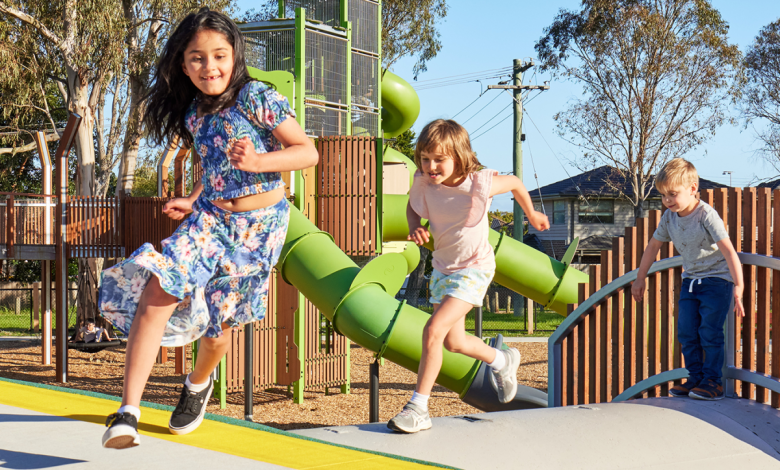
Healthy routines shape a child’s wellbeing long before structured habits take hold in adulthood. While nutrition, sleep, and school routines often receive the most attention, outdoor play is equally influential. It supports physical development, strengthens emotional balance, and encourages daily movement that many modern lifestyles struggle to provide. As parents look for ways to create healthier rhythms for their children, outdoor play stands out as one of the simplest and most effective habits to cultivate.
Regular time spent outdoors gives children a sense of freedom and exploration that indoor environments often cannot match. The open space, fresh air, and natural light help create a rhythm that supports consistent energy levels, improves focus, and encourages steady physical activity. Over time, these experiences transform into long term routines that contribute to a healthier and more balanced lifestyle.
Why outdoor play is a natural foundation for daily routines
Outdoor play fits seamlessly into a child’s daily schedule because it offers benefits that align with their natural needs. Children have high energy levels and require regular movement to stay physically and mentally balanced. Outdoor spaces give them room to release that energy, making routines such as eating, resting, and concentrating easier to manage.
Outdoor play also creates transitions throughout the day. Families often notice that when children spend time outdoors, they return feeling calmer, more focused, and more willing to engage in structured activities. This natural balance helps reinforce routines without pressure or strict rules.
The role of sunlight, fresh air, and nature in daily wellbeing
Outdoor environments provide essential elements that influence mood and health. Sunlight helps regulate the body’s internal clock, making it easier for children to establish consistent sleeping and waking patterns. Exposure to natural light also supports vitamin D production, which is important for bone health and immunity.
Fresh air improves oxygen flow, which helps children feel more alert and engaged. Nature adds sensory variety and stimulates curiosity, making outdoor time both calming and exciting.
These factors work together to create a healthy rhythm. When children spend time outdoors regularly, they develop routines that support sleep, appetite, and emotional stability.
Consistent movement encourages lifelong healthy habits
Movement is one of the most important components of a healthy routine. Outdoor play encourages children to stay active, helping them develop a love for physical activity that lasts into adulthood. Activities such as climbing, running, balancing, and swinging teach children to appreciate movement and explore their physical abilities.
Regular movement contributes to:
-
Better cardiovascular health
-
Stronger muscles and bones
-
Improved coordination
-
Better posture
-
Increased energy levels
These benefits improve overall wellbeing and help children develop routines centred on healthy daily activity.
Supporting emotional balance and stress relief
Outdoor play provides an emotional outlet for children. Open spaces allow them to express themselves freely, release energy, and discover their surroundings at their own pace. This freedom supports emotional regulation and helps children develop healthier responses to stress.
Time spent outdoors can reduce irritability, improve mood, and increase resilience. Children often return from outdoor play with a clearer mind and more positive attitude. These emotional benefits help reinforce consistent behaviour patterns and contribute to smoother daily routines.
Creativity and imagination through open ended play
Outdoor environments inspire creativity. Without walls or fixed structures, children naturally create their own games and explore imaginative play. This creativity helps shape cognitive routines, allowing children to think more flexibly and solve problems in new ways.
Open ended play supports healthy mental rhythms by giving children opportunities to explore their thoughts, ideas, and emotions through movement. This combination of physical and creative activity enhances focus and encourages purposeful play.
Social routines built on outdoor interactions
Outdoor play often brings children together, creating opportunities to form friendships and practise social skills. These interactions help establish routines that support cooperation, communication, and empathy.
Children learn to take turns, share equipment, negotiate game rules, and solve conflicts. These experiences shape social routines that help children navigate school, group activities, and family life more smoothly.
Balancing indoor structure with outdoor freedom
Today’s children spend more time indoors than previous generations due to screen use, academic pressure, and busy schedules. While indoor activities have value, too much indoor time can interrupt healthy rhythms. Outdoor play provides the freedom children need to stay balanced.
Balancing structured indoor tasks with outdoor exploration helps children develop routines that support both concentration and creativity. This balance improves academic performance, emotional stability, and physical health.
Encouraging play with engaging outdoor environments
A key factor in building outdoor play routines is providing environments that invite children to move and explore. When outdoor spaces are engaging, children naturally want to spend more time outside. Families often look for safe, versatile play structures that encourage climbing, swinging, balancing, and imaginative play.
During this process of exploring options, many parents come across helpful resources such as Funky Monkey Bars while learning about durable equipment that encourages active play. These references are often part of research into creating inspiring outdoor spaces rather than promotional additions. Engaging play environments help children develop consistent outdoor routines because they enjoy the experience and feel motivated to return.
Establishing a predictable but flexible outdoor schedule
Children respond well to routines that are predictable yet flexible. A simple daily schedule that includes outdoor time can encourage consistency. Families might set aside time after school, before dinner, or during weekend mornings for outdoor play. Even short sessions contribute to healthy habits.
The key is making outdoor play a natural part of the day rather than a chore. When children view outdoor time as fun and rewarding, they participate willingly and develop routines with less resistance.
Benefits that extend into adulthood
Children who grow up with regular outdoor play often maintain healthier habits as they age. They understand the importance of movement, fresh air, and time spent in nature. These routines contribute to:
-
Better physical health
-
Improved mental clarity
-
Stronger immunity
-
Reduced stress levels
-
Balanced lifestyle choices
These long term benefits show why outdoor play is more than entertainment. It is an investment in a lifetime of healthy habits.
Creating a strong foundation for daily wellbeing
Outdoor play is an essential part of building healthy routines for children. It supports physical strength, emotional balance, creativity, social development, and overall wellbeing. By making outdoor time a consistent part of daily life, families create patterns that help children grow into confident, active, and resilient individuals.
Healthy routines start with small choices. Encouraging regular outdoor play gives children the tools they need to build a strong foundation for their future health and happiness.