How Homewatch CareGivers of Rock Hill Enhances Quality of Life Through Preventive Care
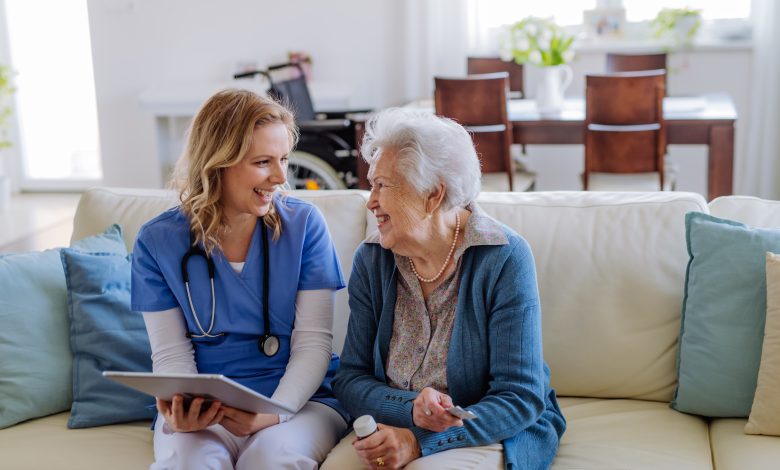
Good caregiving isn’t only about responding to needs—it’s about anticipating them. Preventive care has become an essential part of aging well, reducing hospitalizations, and maintaining independence. In Rock Hill, where community and family bonds remain strong, the emphasis on proactive health support has never been more relevant. Through compassionate service and evidence-based practices, Homewatch CareGivers of Rock Hill is helping families reimagine caregiving as a partnership focused on prevention, longevity, and quality of life.
The Shift Toward Preventive Home Care
For decades, caregiving was largely reactive. Families sought help only after a health crisis—such as a fall, a hospitalization, or the onset of chronic illness. Today, the model has changed. Advances in healthcare and a better understanding of aging have revealed that proactive care significantly improves outcomes, reduces medical costs, and enhances emotional well-being.
Preventive caregiving emphasizes early detection, consistent monitoring, and daily lifestyle support. It helps identify small issues before they escalate into major complications. For seniors in Rock Hill, this approach aligns perfectly with the city’s culture of family-oriented living and wellness-focused community programs.
Understanding the Foundations of Preventive Care
Preventive care involves three core pillars: physical health management, emotional well-being, and environmental safety. Together, these pillars form the foundation of long-term independence and vitality.
1. Physical Health Monitoring: Caregivers regularly observe changes in mobility, appetite, sleep, and mood—often spotting subtle shifts that might indicate an emerging health problem. This vigilance ensures timely communication with families and healthcare professionals.
2. Emotional Support: Seniors who feel connected and valued are less likely to suffer from depression or anxiety. Regular interaction, companionship, and cognitive engagement serve as preventive tools against mental decline.
3. Home Safety: Falls are among the leading causes of injury for older adults. Preventive caregiving includes assessing home environments for hazards, adjusting furniture layouts, improving lighting, and implementing adaptive equipment as needed.
The Role of Caregivers in Preventive Health
Professional caregivers play an integral role in preventive care by bridging the gap between clinical treatment and daily life. They provide consistency and oversight that family members often cannot sustain due to work and personal obligations.
Their daily interactions allow them to recognize early warning signs—such as fatigue, confusion, or changes in behavior—that might indicate a need for medical review. Beyond observation, caregivers also reinforce health-positive habits, from encouraging hydration to assisting with medication schedules and light exercise.
This combination of vigilance and compassion makes professional caregiving one of the most effective forms of preventive health management available.
Promoting Independence Through Prevention
One of the biggest misconceptions about caregiving is that it reduces independence. In reality, preventive care strengthens it. By addressing risks early, seniors remain capable of performing daily activities longer.
For example, regular exercise and balanced nutrition maintain physical strength and balance, reducing the likelihood of falls. Medication reminders and dietary guidance help manage chronic illnesses effectively, preventing complications that might otherwise require hospitalization.
In Rock Hill, where many older adults take pride in self-sufficiency, preventive caregiving offers the perfect balance between freedom and safety.
Emotional Health as Preventive Medicine
Emotional well-being plays a direct role in physical health. Loneliness, grief, and isolation can weaken immune response and accelerate cognitive decline. Preventive caregiving combats these risks through companionship, communication, and engagement in meaningful activities.
Caregivers might encourage clients to reconnect with hobbies, participate in community events, or simply enjoy conversation. These interactions create structure and joy in everyday life, reducing the emotional stress that can lead to health decline.
By nurturing both the body and the mind, preventive caregiving promotes holistic wellness that extends far beyond the physical.
Nutrition and Lifestyle Management
Good nutrition and an active lifestyle form the cornerstone of preventive health. Caregivers trained in nutrition can prepare balanced meals that meet medical and dietary requirements while remaining enjoyable.
They also promote hydration, portion control, and consistent meal timing—all key factors in managing chronic conditions such as diabetes, hypertension, and heart disease. In addition, caregivers often incorporate light exercise into daily routines, helping seniors maintain flexibility, circulation, and energy.
In a community like Rock Hill, where access to parks, walking trails, and fitness programs is abundant, lifestyle-based prevention is both practical and sustainable.
Early Detection Through Observation
Preventive care succeeds when small details don’t go unnoticed. Professional caregivers are trained to recognize early signs of concern, including physical pain, sleep disturbances, weight fluctuations, or unusual mood changes.
Their observations provide families with critical information that helps guide medical consultations and adjustments to care plans. This level of attentiveness reduces hospital visits, promotes faster recovery, and ensures continuous well-being.
For many families, having a caregiver who knows their loved one’s normal behavior offers peace of mind that can’t be matched by occasional clinical checkups alone.
Collaboration Between Caregivers, Families, and Healthcare Providers
The most effective preventive care results from collaboration. Caregivers, families, and healthcare providers each bring unique insights to the client’s overall wellness.
At Homewatch CareGivers of Rock Hill, communication is central to this process. Families receive regular updates, caregivers share daily observations, and healthcare professionals provide medical guidance. This triangle of communication ensures that care plans are always informed, accurate, and proactive.
By maintaining open dialogue, everyone involved works toward a shared goal—ensuring safety, independence, and quality of life.
The Economic Benefits of Preventive Care
Preventive caregiving not only improves health but also reduces long-term costs. Early detection prevents expensive hospitalizations and emergency interventions. Families benefit financially while maintaining emotional stability, knowing their loved one receives consistent, professional oversight.
Communities like Rock Hill also gain from preventive care’s broader economic value. Fewer hospitalizations reduce healthcare strain, while local caregiving jobs contribute to economic growth and community resilience.
The Role of Technology in Prevention
Modern technology enhances preventive care through better data tracking, communication, and transparency. Digital care platforms allow families to stay informed through daily logs, health updates, and activity summaries.
Wearable devices can monitor vital signs, alert caregivers to falls, and even track sleep quality. These tools empower caregivers to respond quickly, ensuring safety while maintaining the client’s autonomy.
In Rock Hill, where families often balance busy professional lives with caregiving responsibilities, technology bridges the distance by offering visibility and reassurance.
Building a Culture of Preventive Care in Rock Hill
Preventive care is more than a service—it’s a mindset that strengthens community health. Rock Hill’s emphasis on family values, wellness programs, and senior engagement creates the perfect foundation for proactive caregiving.
By combining professional expertise with compassion, local caregivers contribute to a culture that values independence, dignity, and foresight. Families are learning that care doesn’t have to start at crisis—it can begin with conversation, observation, and early action.
FAQs
Q: How is preventive caregiving different from traditional care?
A: Preventive caregiving focuses on proactive monitoring, lifestyle management, and emotional support to prevent health issues before they arise, rather than only responding to existing problems.
Q: What are the main benefits of preventive home care?
A: It helps reduce hospitalizations, promotes independence, improves emotional well-being, and lowers healthcare costs by addressing small issues before they become serious.
Q: How do caregivers identify early signs of health problems?
A: Through daily observation of mood, appetite, energy, and physical ability, caregivers notice subtle changes that may indicate an emerging health concern.
Q: Can preventive care help seniors with chronic illnesses?
A: Yes. By maintaining medication schedules, supporting proper nutrition, and monitoring symptoms, preventive caregiving helps manage chronic conditions effectively.
Q: Why is preventive caregiving important for families in Rock Hill?
A: It offers peace of mind, keeps seniors safe and active, and aligns with the community’s strong family-centered values and focus on quality living.