The Evolving Meaning of Family in Modern Life
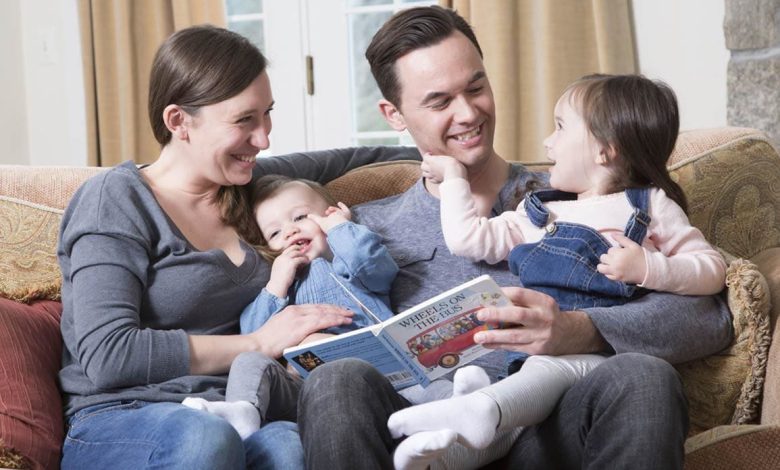
Family continues to shape personal identity, emotional well-being, and social stability. Even as households shift in structure, the significance of shared connection remains central. Within the first layers of childhood and adulthood, the presence of a Family environment often determines how people communicate, cope with stress, and build relationships.
The Foundation of Emotional Development
The earliest lessons about trust, empathy, and belonging usually emerge within the home. Children who grow up in supportive environments tend to display higher confidence, stronger communication skills, and healthier emotional regulation. Adults also benefit, as consistent support networks help reduce stress, improve stability, and create a sense of long term security.
Key Elements of Emotional Support
Families nurture emotional growth through:
- Predictable routines that offer stability
- Encouragement that builds self esteem
- Safe spaces to express worries and hopes
- Guidance during challenges and transitions
When these elements are present, individuals often navigate the outside world with more resilience. Even later in life, adults frequently turn to their family unit to share major decisions or process unexpected difficulties.
Communication as a Cornerstone of Connection
Strong communication helps prevent misunderstanding, promotes trust, and supports healthier problem solving. Effective family communication involves open dialogue, active listening, and patience during disagreements.
How Healthy Communication Forms
Several common traits appear in families that communicate well:
- They normalize asking questions and seeking clarification
- They value honesty without harsh criticism
- They make space for quieter members to express their thoughts
- They encourage regular check ins, especially during chaotic schedules
A consistent communication style leads to more harmonious relationships, stronger cooperation, and a deeper sense of connection.
Changing Household Structures
Modern families reflect diverse shapes, sizes, and living arrangements. Single parent households, blended families, multigenerational homes, kinship caregiving, and cohabiting adults now represent a growing percentage of American households. These changes show that the essence of family lies not in structure but in shared responsibility and mutual care.
Multigenerational Trends
Economic factors, cultural traditions, and caregiving needs are increasing the number of homes where multiple generations live together. This arrangement can offer:
- Shared financial responsibilities
- Built in support systems for childcare or eldercare
- Cultural continuity and collective storytelling
Multigenerational living encourages stronger bonds, though it also requires clear boundaries and cooperative decision making.
The Role of Family in Personal Identity
Identity forms through relationships, cultural traditions, family narratives, and shared experiences. Values, beliefs, communication styles, and even career paths often echo the influence of relatives who modeled particular behaviors or mindsets. Whether through heritage, daily routine, or family expectations, the impact remains powerful.
Cultural Influence and Heritage
Families often preserve traditions such as foods, celebrations, and rituals. These experiences create a sense of belonging and continuity. Even individuals who move far from home often return to these traditions for comfort or guidance, showing how deeply they shape personal identity.
The Importance of Support Systems during Crisis
Crisis moments reveal the strength and resilience of familial support. Whether facing illness, unemployment, or emotional turmoil, families frequently step in with reassurance, practical assistance, and stability.
Forms of Crisis Support
- Sharing resources such as time, money, or care
- Providing emotional stability during uncertainty
- Offering solutions based on collective experience
- Preventing isolation by staying actively involved
The presence of a strong support system can significantly influence recovery, coping strategies, and long term outcomes.
The Impact of Technology on Family Relationships
Technology has transformed how families stay connected. Video calls, group chats, and digital calendars help coordinate schedules, maintain communication, and strengthen bonds across distances. While technology can create distractions, it also offers new tools to preserve closeness.
Healthy Digital Use
Families who use technology intentionally often:
- Set boundaries around screen time
- Use digital tools to schedule shared activities
- Maintain active conversations even when apart
- Create digital photo albums to preserve memories
Technology works best when balanced with face to face connection and thoughtful communication.
Family Roles and Responsibilities
Every household develops its own rhythm of responsibilities. These roles may shift depending on life stages, career changes, health concerns, or personal goals. Successful families usually maintain flexibility, adapting responsibilities as circumstances evolve.
Shared Responsibility Practices
- Clear expectations for chores and household tasks
- Fair distribution of responsibilities across age groups
- Willingness to adjust roles during major transitions
Families that practice transparent cooperation often minimize conflict and build stronger partnerships.
Conflict Resolution within the Home
Conflict is natural, but how families resolve disagreements determines the quality of long term relationships. Healthy resolution practices strengthen trust and ensure emotional safety.
Techniques for Effective Conflict Resolution
- Taking breaks during heated moments
- Listening without interruption
- Expressing feelings using neutral language
- Seeking a solution rather than assigning blame
These practices help create a home environment where each person feels valued and understood.
Building Traditions that Strengthen Bonds
Traditions anchor families, providing structure, joy, and anticipation. These do not need to be elaborate. Weekly meals, annual trips, seasonal activities, or story sharing sessions can become cherished rituals.
Benefits of Family Traditions
- Reinforce connection and belonging
- Provide stability during uncertain times
- Encourage collaboration and shared responsibility
- Create memories that last across generations
Families with strong traditions often report higher satisfaction and deeper emotional closeness.
Supporting Children through Growth Stages
Children experience rapid mental, physical, and emotional changes. Families play a crucial role in guiding them through each stage.
Early Childhood
This stage requires nurturing, consistent routines, and clear boundaries. Young children thrive with predictable schedules, play based learning, and supportive caregivers.
Adolescence
Teenagers seek independence while still needing structure. Effective families encourage autonomy while maintaining rules that support safety and development.
Early Adulthood
Young adults benefit from families who offer emotional support without limiting independence. They may need guidance in managing finances, developing careers, or navigating relationships.
Balancing Family Life with Modern Demands
Work expectations, school schedules, social obligations, and personal responsibilities can challenge family unity. Balancing these demands requires planning and shared commitment.
Practical Strategies for Balance
- Family calendars to coordinate schedules
- Dedicated shared time each week
- Open discussions about stress or overload
- Flexible responsibilities and mutual support
Small adjustments can protect family time and reduce conflict, even in busy seasons.
The Connection between Family and Mental Health
Research consistently links strong family relationships with better mental health outcomes. Supportive environments reduce anxiety, improve self esteem, and encourage healthy coping strategies.
How Families Promote Mental Wellness
- Offering reassurance during emotional challenges
- Encouraging healthy habits like exercise and sleep
- Normalizing therapy or counseling when needed
- Providing perspective and encouragement
A stable home environment can be one of the most effective protective factors for emotional well being.
Preparing for Life Transitions
Families experience major transitions such as marriages, new children, relocations, caregiving needs, and aging. Successful navigation requires proactive communication and shared flexibility.
Transition Management Techniques
- Discussing expectations early
- Creating practical plans for changing roles
- Checking in frequently as adjustments unfold
When families plan together, transitions become opportunities for growth rather than sources of stress.
Frequently Asked Questions
How can families improve communication when schedules are hectic?
Setting short daily check ins, such as talking during dinner or before bedtime, helps maintain connection. Even brief conversations can strengthen understanding and reduce conflict.
What is the best way to support a family member experiencing stress?
Listen without judgment before offering solutions. Ask what type of support they want, whether emotional comfort, practical help, or space to process.
How can families stay close when living far apart?
Consistent communication is key. Weekly calls, shared photo albums, group chats, and planned visits help maintain strong relationships despite physical distance.
What role does family play in shaping adult relationships?
People often model communication styles, conflict resolution habits, and emotional expression based on early family experiences. Recognizing these patterns helps adults build healthier future relationships.
How can families create meaningful traditions without large budgets?
Simple rituals such as cooking a weekly meal together, taking nature walks, revisiting a favorite movie, or sharing gratitude moments can create lasting memories at little to no cost.
If you’d like, I can refine this article, adapt it for a specific audience, or expand certain sections.