The Evolving Role of Parents in Raising Confident and Resilient Children
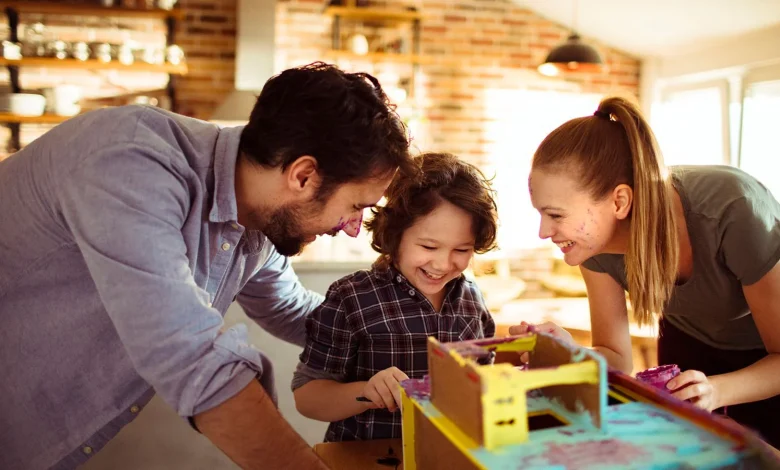
Parents shape the earliest experiences that influence a child’s identity, worldview, and emotional patterns. In a fast moving environment filled with academic expectations, digital influence, and constant social stimulation, Parents play a central role in creating the stability and guidance children need. During the first stages of growth, the presence of consistent caregiving helps children develop emotional security, healthy routines, and strong cognitive foundations that support long term success.
Understanding the Modern Parenting Landscape
Parenting today requires navigating influences that did not exist in previous generations. Digital technology, shifting family structures, educational demands, and wider access to information impact how children learn and interact. Parents must adapt to these changes while also preserving core values that nurture character, empathy, and resilience.
Pressures Parents Face Today
Parents experience rising demands, including:
- Overscheduled routines that create stress
- Increased academic expectations for kids
- Sharply expanding digital exposure
- Economic pressures that influence family time
Despite these challenges, parents who use intentional strategies can create environments where children thrive emotionally, socially, and academically.
Building Secure Attachment in Childhood
Secure attachment forms the groundwork for healthy development. When children feel safe and supported, they explore the world with confidence and curiosity.
Key Elements of Secure Attachment
- Responding consistently to emotional needs
- Maintaining predictable routines
- Providing comfort during distress
- Encouraging independence at a steady pace
Attachment influences how children form friendships, manage stress, and communicate emotions throughout life.
The Emotional Influence of Parents
Emotional development depends heavily on the adult models children observe. Parents who demonstrate calm responses, empathy, and emotional regulation teach their children how to handle challenges with confidence.
Helping Kids Understand and Manage Emotions
- Use clear language to label feelings
- Encourage healthy expression through conversation
- Validate emotions while guiding appropriate behavior
- Teach coping skills such as deep breathing or journaling
When children feel understood, they develop stronger self esteem and better communication habits.
The Role of Parents in Academic Success
Parents contribute more to academic growth than many realize. Supportive home environments influence motivation, learning habits, and persistence.
How Parents Strengthen Learning at Home
- Provide a quiet and structured homework space
- Encourage daily reading to build language skills
- Maintain communication with teachers
- Celebrate effort and improvement, not just outcomes
Academic success improves when children feel supported rather than pressured.
Physical Development and Healthy Routines
A child’s physical well being is closely tied to parent influenced habits. Routines create stability, improve focus, and strengthen overall development.
Daily Habits That Build Healthy Foundations
- Balanced meals that support brain and body growth
- Regular physical activity for energy and mood regulation
- Consistent sleep schedules that improve learning
- Limited screen time balanced with active play
Routines help children feel secure, which strengthens emotional and cognitive development.
Parents and the Digital Generation
Technology can support learning but also poses risks when used without guidance. Parents must help children navigate digital spaces with safety and responsibility.
Creating Healthy Digital Boundaries
- Establish screen free zones during meals or bedtime
- Monitor online behavior without invading privacy
- Teach digital manners and respectful communication
- Encourage offline hobbies and outdoor time
Balanced guidance helps kids enjoy technology without becoming dependent on it.
Supporting Social Development in Children
Social skills influence confidence, relationship building, and emotional intelligence. Parents act as the first role models for social behavior.
Effective Ways to Strengthen Social Skills
- Model polite communication
- Encourage sharing, turn taking, and cooperation
- Discuss real life scenarios to build empathy
- Create opportunities for peer interaction
Social awareness helps children transition smoothly into school and group settings.
Encouraging Independence with Guidance
Children gain confidence when allowed to make age appropriate decisions. Parents build autonomy by gradually increasing responsibility.
Encouraging Independent Growth
- Allow children to choose clothing or snacks
- Assign simple chores that build competence
- Support problem solving instead of rushing to fix issues
- Praise efforts that demonstrate responsibility
Independence strengthens resilience and teaches kids to trust their abilities.
Parenting Through Behavioral Challenges
Behavioral challenges often signal unmet needs or emotional overwhelm rather than intentional misbehavior.
Understanding Why Behavior Happens
Parents can improve outcomes by identifying root causes such as:
- Lack of sleep or hunger
- Overstimulation or frustration
- Difficulty expressing emotions
- Stress at school or home
Responding with patience and understanding leads to better long term behavior than punishment alone.
The Importance of Family Communication
Communication forms the backbone of a strong household. Children who grow up in communicative families develop better emotional regulation and social confidence.
Strengthening Communication at Home
- Hold daily conversations about school or feelings
- Ask open ended questions to encourage expression
- Listen without judgment to create trust
- Teach children how to articulate needs respectfully
Healthy communication shapes emotional intelligence and relationship skills.
Balancing Discipline with Empathy
Effective discipline teaches values, responsibility, and self control. Empathy ensures that guidance is nurturing rather than harsh.
Healthy Discipline Practices
- Set clear rules and expectations
- Use natural consequences when appropriate
- Stay consistent while remaining patient
- Explain the reasons behind rules
Children respond best when discipline feels fair, predictable, and rooted in care.
Cultural Influence and Family Identity
Cultural traditions help children feel grounded and connected to their roots. Parents play a key role in preserving identity and passing values forward.
Building Cultural Awareness
- Share stories about family history
- Celebrate holidays, foods, and traditions
- Teach cultural values through conversation
- Encourage respect for diversity
Cultural grounding helps children develop pride, belonging, and global awareness.
Parents and Mental Health Awareness
Parents play a critical part in supporting mental wellness. Early awareness can prevent long term emotional struggles.
Strengthening Childhood Mental Wellness
- Normalize conversations about stress and emotions
- Observe changes in mood or behavior
- Encourage breaks, rest, and healthy routines
- Seek support when challenges feel overwhelming
Proactive attention to mental health fosters resilience and emotional stability.
Maintaining a Positive Parent Child Relationship
Strong relationships require presence, trust, and meaningful connection.
Ways to Build Closer Bonds
- Spend quality time without digital distractions
- Share activities such as cooking, reading, or walking
- Offer praise for effort and personal strengths
- Show affection consistently
Close connections build confidence and emotional security.
Parents as Long Term Role Models
Children absorb behaviors from the adults around them. Parents who demonstrate integrity, patience, and responsibility shape the leaders of tomorrow.
Modeling Positive Behavior
- Practice self control during stressful moments
- Show respect in daily interactions
- Maintain healthy habits
- Demonstrate perseverance in difficult situations
Role modeling influences how children respond to real world challenges as they grow.
Frequently Asked Questions
How can parents stay patient when a child is testing boundaries?
Step away briefly to regain calm, then address the behavior with a clear and steady tone. Consistency and emotional control help children feel safe even when rules are enforced.
What helps parents build trust with older kids?
Trust grows when parents listen without immediate judgment, encourage open communication, and respect privacy while still providing guidance.
How can busy parents maintain meaningful connection with their children?
Short daily routines such as bedtime conversations, shared meals, or a few minutes of focused attention help create closeness even during hectic schedules.
What signs show that a child needs more emotional support at home?
Changes in sleep, appetite, mood, or school interest may signal emotional stress. Observing these patterns early helps parents respond quickly.
How can parents encourage kids to talk about school challenges?
Ask gentle, specific questions and avoid reacting with frustration. Children open up more when they feel heard and not judged.
If you want, I can create additional articles focusing on specific parenting themes such as discipline strategies, digital wellness, teen development, or strengthening family communication.