Understanding Kids and Their Development
The Changing Nature of Childhood
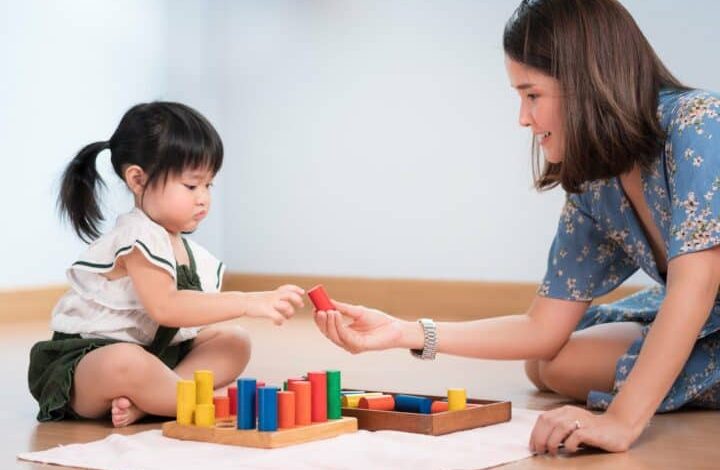
Kids today grow up in a world shaped by rapid technology shifts, evolving family structures, and heightened academic and social expectations. The word kids may sound simple, but childhood itself is a complex period filled with learning, emotional development, identity formation, and daily discoveries. In the early stages of life, children strengthen the foundation that shapes their long term well-being, resilience, and worldview. When adults understand this process deeply, they can create environments that support healthy growth and meaningful connections.
Early Childhood Development and Its Importance
Understanding how young children learn and think is essential for parents, educators, and caregivers. Early childhood development sets the stage for lifelong learning, health, and behavior. During the first few years, the brain forms millions of neural connections every second, making this a critical time for exploration and curiosity-driven activities.
Key Features of Early Cognitive Growth
Children begin forming mental frameworks about how the world works long before they can articulate their thoughts. Their learning is rooted in sensory experiences, imitation, and repeated patterns. Several factors influence cognitive growth:
- Rich language exposure at home
- Opportunities for hands-on problem solving
- Positive adult interactions
- Access to play that encourages creativity and focus
Research shows that conversations, storytelling, and interactive reading help expand vocabulary and strengthen early literacy. Similarly, play-based puzzles, building activities, and imaginative games support memory, attention, and logical thinking.
Social and Emotional Milestones
Emotional growth is as important as academic learning. Children develop empathy, self-regulation skills, and the ability to interpret social cues through consistent interactions with adults and peers. Emotional milestones often appear gradually:
- Recognizing and labeling feelings
- Understanding boundaries
- Learning to share and take turns
- Building early friendships
Kids who receive supportive responses during moments of frustration or fear often grow into more confident and emotionally balanced individuals.
Middle Childhood: Expanding Skills and Independence
Middle childhood, typically between ages six and twelve, is marked by increased independence, stronger self-awareness, and more complex social relationships. At this stage, children begin comparing themselves with peers, exploring hobbies, and refining academic skills.
Academic Growth and Learning Styles
Every child has a unique way of absorbing information. Some learn visually, others through movement, sound, or hands-on exploration. Understanding these styles helps adults create environments where children thrive. Key areas of academic development include:
- Reading comprehension and analytical thinking
- Math reasoning and number sense
- Scientific curiosity and experimentation
- Writing, communication, and storytelling
Children in this age range benefit from structured learning combined with flexibility. Encouragement, constructive feedback, and a balance of challenge and support are essential for sustained motivation.
Identity, Self Image, and Peer Influence
As children grow, they become increasingly aware of the world around them and their role in it. Peer relationships hold significant weight, often shaping confidence levels, interests, and values. Adults can support healthy identity development by:
- Encouraging open communication
- Promoting positive self talk
- Modeling respect and empathy
- Helping children navigate conflicts with understanding and fairness
The middle childhood years also introduce early moral development. Kids become more conscious of fairness, honesty, and responsibility, and these values strengthen when adults set consistent examples.
Supporting Physical Health and Active Lifestyles
Children thrive when physical activity is integrated into daily routines. Movement aids cognitive processes, improves mood, and supports overall health.
Nutrition and Healthy Habits
Establishing nutritious eating patterns early can shape lifelong relationships with food. Healthy choices include:
- Balanced meals with fruits, vegetables, and whole grains
- Adequate hydration
- Limited added sugars and processed snacks
- Regular meal routines with family participation
Healthy habits should also include restful sleep. Children need predictable sleep schedules to support mood regulation, growth, and learning.
Physical Activity and Motor Skills
Active play helps children sharpen both gross and fine motor skills. Activities such as running, swimming, climbing, drawing, and crafting refine coordination and encourage perseverance. Consistent movement:
- Strengthens muscles and bones
- Enhances focus and concentration
- Improves emotional stability
- Builds teamwork and leadership skills
Digital Life and Modern Childhood
Technology is now woven into daily life from an early age. While digital tools offer access to knowledge and creativity, they also present challenges.
Healthy Technology Use
Balanced exposure allows children to benefit from digital media without becoming reliant on it. Strategies for healthy tech use include:
- Setting screen time boundaries
- Prioritizing educational content
- Encouraging offline activities
- Creating tech-free zones during meals and bedtime
Adults should also model mindful technology behavior, demonstrating that devices do not replace personal interactions.
Online Safety and Digital Citizenship
Children should learn to navigate the digital world responsibly and safely. Key lessons for young users include:
- Understanding privacy and personal information protection
- Recognizing safe online behavior
- Learning respectful digital communication
- Reporting uncomfortable or suspicious interactions
Teaching kids about digital citizenship equips them with the skills to thrive in a connected world.
The Role of Play in Learning and Relationships
Play is not simply a leisure activity. It is the foundation of exploration, creativity, and emotional expression. Through play, children test ideas, solve problems, and discover their interests.
Types of Play and Their Benefits
Different kinds of play contribute to well-rounded growth:
- Imaginative play that builds creativity and social understanding
- Constructive play that encourages planning and organization
- Physical play that supports health and coordination
- Cooperative play that teaches teamwork and compromise
Adults can enrich play by offering materials, safe spaces, and gentle guidance without controlling the experience.
Parenting Approaches That Encourage Growth
There is no single perfect parenting style, but effective approaches share consistent traits: warmth, structure, communication, and adaptability.
Building Strong Parent Child Bonds
Secure bonds are built through daily interactions. Helpful strategies include:
- Actively listening to children
- Showing affection and appreciation
- Encouraging open dialogue about emotions
- Providing dependable routines and expectations
Strong bonds provide children with a sense of stability and trust.
Teaching Life Skills and Responsibility
Children flourish when adults empower them with age appropriate responsibilities. Tasks such as organizing school materials, helping with household chores, and making simple decisions instill:
- Independence and confidence
- Time management and planning abilities
- Respect for shared spaces and community
- Perseverance in challenging situations
Education, Curiosity, and Lifelong Learning
Children develop strong academic foundations when learning feels meaningful and connected to their experiences.
Encouraging Curiosity
Curiosity inspires children to ask questions, investigate, and experiment. Adults can nurture curiosity by:
- Welcoming children’s questions
- Providing books, tools, and learning materials
- Exploring nature and hands-on activities
- Supporting independent thinking
Supporting Struggling Learners
Not all children learn at the same pace. Some may face academic challenges or learning differences. Early support can make a significant impact. Strategies include:
- Personalized learning techniques
- Regular communication with teachers
- Positive reinforcement and patience
- Access to appropriate resources and assessments
Community, Culture, and Social Awareness
Children gain a deeper understanding of the world when they engage with diverse communities and cultures. Exposure to different backgrounds helps them develop respect, empathy, and adaptability.
The Value of Community Engagement
Participating in community events or volunteering teaches children to think beyond themselves. Benefits include:
- Awareness of diverse perspectives
- A stronger sense of belonging
- Improved social skills
- A growing interest in helping others
Cultural Awareness and Identity
Families can strengthen cultural identity through traditions, storytelling, food, music, and celebrations. Children with a strong cultural foundation often display greater confidence and curiosity about the world.
Challenges Kids Face Today
Children encounter pressures that earlier generations did not. Understanding these challenges helps adults provide the support children need.
Academic Pressure and Overscheduling
High academic expectations and packed schedules can lead to stress and burnout. Balance is essential. Adults should ensure children have:
- Time for rest and free play
- Opportunities to pursue personal interests
- Emotional support during demanding periods
Emotional and Social Challenges
Issues such as bullying, loneliness, or anxiety can surface at any age. Early intervention and open communication are essential for addressing these concerns effectively.
Frequently Asked Questions About Kids
How can I help my child build stronger communication skills?
Encourage conversations throughout the day, ask open ended questions, and give children uninterrupted time to answer. Reading together and narrating daily routines also help expand vocabulary and confidence.
What is the best way to support a shy child?
Provide gentle opportunities for social interaction without pressure. Celebrate small steps, teach coping strategies, and model positive social behavior. Over time, children build confidence at their own pace.
How much screen time is appropriate for school aged children?
Moderation is important. Experts generally encourage a balanced routine that includes homework, outdoor play, reading, and family interaction. Screens should complement development, not dominate it.
How do I know if my child is struggling emotionally?
Watch for changes in appetite, sleep, mood, or academic performance. Increased irritability or withdrawal from activities may also signal emotional strain. Regular check ins and supportive dialogue can help uncover deeper concerns.
How can I encourage my child to develop good study habits?
Create a quiet study area, establish consistent routines, and break tasks into manageable parts. Praise effort rather than perfection, and help children set achievable goals to stay motivated.
What role should parents play in extracurricular activities?
Parents should act as supportive guides rather than directors. Encourage exploration, help children identify their interests, and maintain a healthy balance between activities and downtime.
If you want this expanded further or tailored to a specific type of childhood development, feel free to ask.